

TL;DR:
- Effective tutoring prioritizes structured sessions with clear goals, regular feedback, and consistent frequency over hourly rates alone. Peer and small-group models, when properly designed, can produce significant learning gains at lower costs, especially for motivated students and those with additional needs. Comparing tutoring options requires assessing progress measurement, session structure, and transparency, rather than just price per hour.
Finding good tutoring for your teenager is stressful enough without the added pressure of working out whether you're actually getting value for money. Most parents focus on the hourly rate, but that single number tells you almost nothing about real progress. Peer tutoring is an evidence-backed, very low-cost approach that can deliver around six additional months' learning progress in a single academic year, but only when it's structured correctly. The difference between tutoring that transforms your child's confidence and tutoring that burns through your budget quietly comes down to a few specific, often overlooked factors.
Table of Contents
- Set the right criteria before you search
- Affordable tutoring models that work: from peer to group
- How to compare tutoring options for best value
- Expert tips and common pitfalls UK parents face
- Why chasing the lowest price rarely pays off—in real families
- Affordable tutoring: take the next step
- Frequently asked questions
Key Takeaways
| Point | Details |
|---|---|
| Focus on outcomes | Choose tutoring based on progress and structure, not just price. |
| Peer and group options | Well-supported peer or group models offer strong academic gains for less cost. |
| Demand clear measurement | Always ask for how progress and feedback are delivered before booking sessions. |
| Hybrid approaches work | Blending targeted one-to-one with small group learning gives best value for many. |
Set the right criteria before you search
Before diving into specific options, let's establish the most important foundation: the criteria for judging value beyond just the price tag.
Too many parents open up a search engine, compare three hourly rates, and pick the middle option. It feels reasonable. But hourly rate tells you nothing about how learning is organised, whether your child's gaps are being identified, or whether progress is actually being tracked. You need a better set of questions.
Start by thinking about progress measures. The gold standard is measurable learning gains, not hours sat in a session. Ask any tutor or platform how they'll know whether your child has improved. If the answer is vague, that's a warning sign. Look for platforms and tutors who talk about identifying knowledge gaps, setting baselines, and checking back in regularly.
Structure matters enormously. Evidence consistently shows that feedback tied to correct work and formative assessment (that is, ongoing checks during learning rather than just at the end) are linked to strong, positive learning effects. A well-structured session has a clear plan, a defined objective, and a way of knowing whether that objective was met. A vague session drifts, and your child will drift too.
Session frequency and consistency are equally critical. One session a fortnight sounds affordable but rarely shifts outcomes. Research supports regular, repeated contact over a sustained period, typically 10 weeks or more, rather than sporadic one-offs. Think of it like exercise: occasional effort produces almost no lasting result.
Here is a quick checklist of what to look for before you commit to any tutoring option:
- Clear learning objectives set at the start of each term or block
- Regular feedback that your child can act on, not just scores
- A baseline assessment so you know where your child starts
- A stated plan for measuring progress over time
- Consistent session frequency (at least once or twice a week minimum)
- Tutor or platform transparency about what is covered and when
Pro Tip: Before signing up for any tutoring, ask to see a sample session plan or weekly routine. Legitimate, effective tutors will have one ready. Those who can't show you one are likely improvising, and your child pays the price.
Understanding learning outcomes before you start helps you ask the right questions and spot platforms that are genuinely outcome-focused rather than just filling time.
Affordable tutoring models that work: from peer to group
Now that you know what to look for, here are the affordable models with the strongest evidence for every family budget and learning need.
Peer tutoring is one of the most underused strategies available to UK families. Properly organised peer tutoring, where students work together in structured roles with clear tasks, produces six months' additional progress on average within one academic year. The cost can be minimal. The key word, though, is structured. Informal homework groups or casual study sessions do not carry the same evidence base. Peer tutoring works best when roles are clearly defined, sessions are regular (four to five times per week over roughly ten weeks), and there is some adult or programme oversight to keep quality high.
Small-group tuition is where many families find the sweet spot between cost and quality. Groups of two to five students with a skilled tutor can be highly effective, provided the group is well-matched by level and the tutor actively manages participation. Evidence shows that collaborative learning approaches deliver on average five additional months' progress, with secondary pupils often gaining even more. The risk is when groups are too large, poorly matched, or when quieter students disengage and the tutor doesn't notice.
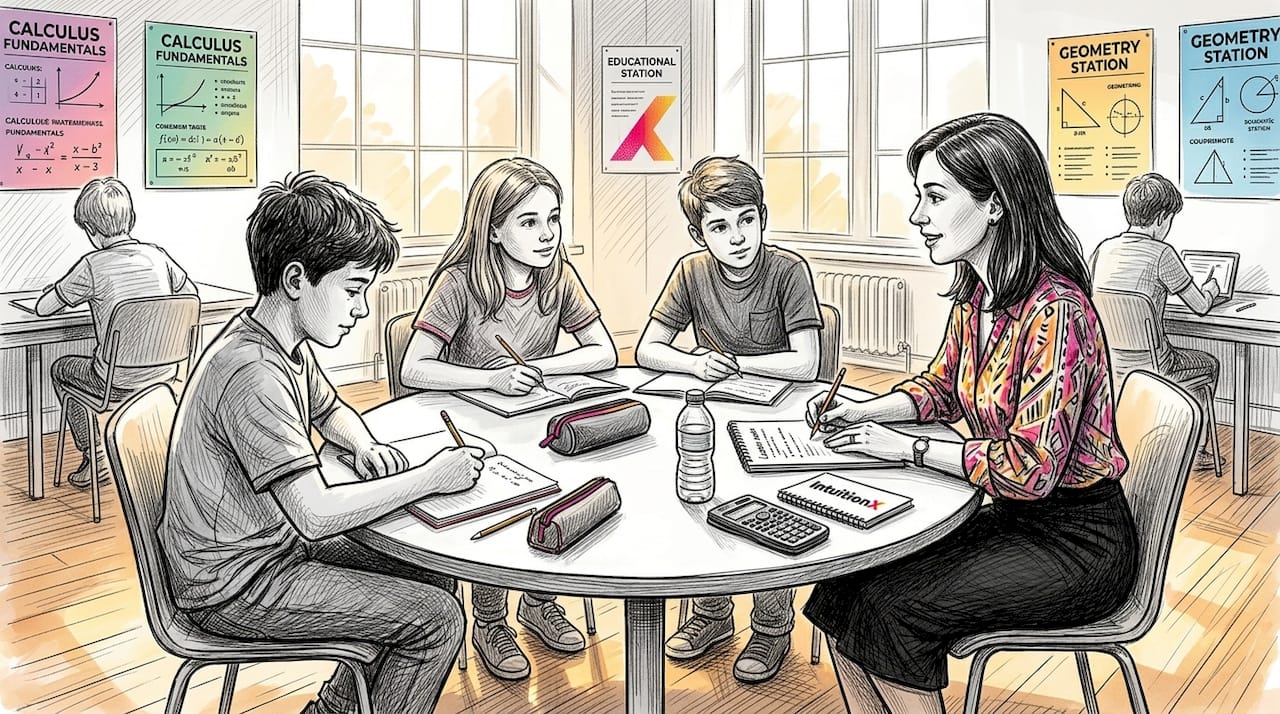
Hybrid approaches offer a smart middle ground. Think of combining regular small-group sessions for core content and revision, topped up with targeted one-to-one for specific exam technique or problem areas. This model gives your child breadth and depth without paying full one-to-one rates across the board. It's a genuinely intelligent way to budget.
| Model | Average learning gain | Approximate cost | Best suited for |
|---|---|---|---|
| Peer tutoring (structured) | +6 months | Very low | Motivated learners, regular practice, SEN pupils |
| Small-group tuition (2-5) | +5 months | Low to moderate | Most secondary pupils, exam prep |
| Hybrid (group + targeted 1:1) | +5 to +6 months | Moderate | Pupils with specific gaps alongside broader revision |
| One-to-one tuition | +5 months | High | Complex SEN needs, very bespoke requirements |
"The highest value doesn't always come from the most expensive option. It comes from the most structured one."
A quick note on scenarios. For pupils who are lower-attaining or who have additional learning needs, peer tutoring models can deliver comparatively larger gains than for the general cohort. For exam technique, targeted one-to-one sessions work best in short, intensive bursts rather than as a long-term weekly commitment. And if your child is confident but just needs subject consolidation, a well-run small group is often the best value available.
What NOT to do: avoid poorly structured group sessions where the tutor simply talks at several pupils simultaneously. That is not group tutoring; it is a small lecture. Real group tutoring involves active dialogue, collaborative problem-solving, and individual accountability within the group. Explore personalised tutoring solutions and learn more about how tutors can actively boost engagement so you know exactly what to demand from any provider.
Pro Tip: Ask any group tutor how they ensure every pupil participates. If they can't answer this clearly, the quieter pupils in that group, potentially including your child, are likely being left behind.
How to compare tutoring options for best value
With so many tutoring options on offer, the next question is: how do you compare value, not just cost?
The honest answer is that most parents don't compare properly. They look at price per hour and perhaps check a few reviews. But comparing tutoring on outcomes and fit, including session frequency, consistency, and measured progress, is what separates genuinely good value from an expensive disappointment.
Here is a clear framework to shortlist your options effectively:
- Write down your child's specific goal. Is it raising a grade? Improving exam technique? Building confidence in one subject? Vague goals produce vague tutoring. Specific goals allow you to hold a tutor accountable.
- Ask each provider how they measure progress. A quality answer includes a baseline assessment, regular check-ins, and a final review. A weak answer says "we'll see how they get on."
- Check the dosage. How many sessions per week? Over how many weeks? Evidence supports regularity and duration. A single session here and there rarely produces meaningful gains.
- Request a sample weekly plan. This shows you what a typical week looks like and whether structure is genuinely built in.
- Compare feedback processes. How does the tutor communicate what your child has understood and where the gaps remain? Weekly summaries, parent updates, or progress reports are all positive signs.
Use the table below to rate your shortlisted options before deciding:
| Criteria | Option A | Option B | Option C |
|---|---|---|---|
| Price per session (£) | |||
| Sessions per week | |||
| Duration of programme (weeks) | |||
| Baseline assessment offered? | |||
| Progress reports provided? | |||
| Feedback tied to specific gaps? | |||
| Tutor qualification or pedigree | |||
| Overall value score (1-5) |
Fill this in before you commit. You'll almost certainly find that the cheapest option scores poorly on at least three of these rows. Explore affordable education resources and understand how to measure learning outcomes so you can hold any provider to account from day one.
Expert tips and common pitfalls UK parents face
To finish your checklist, these are the practical, expert tips for choosing affordable tutoring that genuinely delivers results, plus how to avoid the traps others fall into.
The three expert tips every parent should know:
- Prioritise structure over price. The highest value sessions are well-structured, include feedback tied to correct work, and provide enough consistency to genuinely shift learning rather than just covering content. A session that costs £15 per hour with no structure delivers less than a £30 session with clear objectives and regular feedback.
- Demand a measurement plan upfront. Before the first session, ask the tutor to show you how they will identify your child's gaps, what the weekly routine will look like, and how progress will be reported. This is not an unreasonable request. It is the bare minimum.
- Check in regularly yourself. Ask your child after each session what they covered and what they found challenging. This simple habit helps you spot early if sessions are drifting or if your child is disengaging.
Common mistakes UK parents make:
One of the most frequent errors is choosing tutoring based purely on a low headline rate and then discovering, several weeks in, that sessions have been covering familiar material rather than targeting specific weaknesses. This is the "cheapest but aimless" trap. It costs less per hour but wastes weeks.
Another mistake is ignoring feedback processes entirely. If a tutor never communicates what your child struggled with, and you never ask, you have no idea whether the money is working. Feedback is not optional; it is the mechanism through which improvement happens.
"If your child is low-attaining or has SEN needs, peer tutoring may offer comparatively larger gains than you might expect from the format."
For parents of pupils with additional needs, the key is quality of peer interaction and whether the programme includes adequate training and support for the peer tutor role. Not every peer tutoring setup will meet this standard. Ask specifically how the programme supports pupils with different learning profiles.
Smart budgeting means always asking to see routines and measurement frameworks upfront. Discover elite affordable methods and explore the AI tutoring process for UK parents as a practical next step in making the most of your budget.
Pro Tip: If a tutoring platform or tutor cannot tell you clearly how they'll identify and target your child's specific knowledge gaps, walk away. That clarity is the foundation of effective tutoring, not a luxury extra.
Why chasing the lowest price rarely pays off—in real families
Here is the uncomfortable truth that experienced parents and educators have learnt the hard way: the families who spend the least on tutoring often end up spending the most overall. Not because they made bad choices, but because they had to repeat the experience when the first option didn't deliver.
We've seen this pattern repeatedly. A parent finds a tutor at a very low rate, books eight sessions, and by week six realises their child is no more confident, no more prepared, and actually a little more disengaged than before. Why? Because the sessions were pleasant but vague. There was no structure. No feedback. No clear plan. Just a friendly adult sitting with a teenager for an hour.
The real cost of "affordable but vague" tutoring is not the money spent. It is the months of progress missed. Every week without genuine, structured, feedback-rich learning is a week your child falls slightly further behind where they could be. Over a GCSE or A Level preparation period, that adds up fast.
What genuinely saves money in the long run is investing in structure from the start. Tutoring that is grounded in good pedagogical practice including clear routines, Socratic questioning, formative feedback, and consistent session cadence, tends to produce visible results faster. That means fewer total sessions needed, not more.
Our view is direct: stop comparing hourly rates and start comparing outcomes per pound spent. Demand evidence. Ask for measurement. Expect feedback. These are not aspirational standards; they are the minimum that effective tutoring should deliver. Parents who hold providers to these standards get better results, even on tighter budgets.
Affordable tutoring: take the next step
You've now got the framework. You know what structure looks like, which models have the strongest evidence, and exactly what questions to ask before spending a penny. The next step is putting it into action.

At IntuitionX, we've built everything described in this article into a single 24/7 AI tutoring platform. Our Socratic AI tutor, Omniscience, is built on the knowledge of academics who earned A*s at A Level and Firsts from Oxford and Cambridge, and it uses proven memory science and pedagogical methods to drive real learning outcomes, not just content coverage. Sessions are structured, feedback is built in, and progress is trackable from day one. Backed by Sir Anthony Seldon and aligned with the International Rescue Committee, we're committed to making elite-quality tutoring genuinely accessible. Try IntuitionX today and see what structured, evidence-aligned tutoring really feels like.
Frequently asked questions
What is the most cost-effective type of tutoring for UK high school students?
Peer tutoring, when well-structured and properly supported, offers the highest learning gains for the lowest cost according to UK evidence, with six months' additional progress possible within a single academic year.
How many sessions per week work best for affordable tutoring?
Four to five sessions per week over around ten weeks typically maximise learning impact, as recommended conditions for peer and small-group models include regular, sustained contact rather than sporadic sessions.
What questions should I ask a tutor to compare offers?
Ask how they measure progress, how and when feedback is shared with you, and what a typical weekly session routine looks like. Platforms that can't answer these clearly are unlikely to deliver consistent, measurable outcomes.
Are group tutoring sessions as effective as one-to-one for most pupils?
Yes, when well-structured. Collaborative learning approaches show an average of five additional months' progress, with secondary pupils often gaining six months, which is comparable to many one-to-one models at a fraction of the cost.